
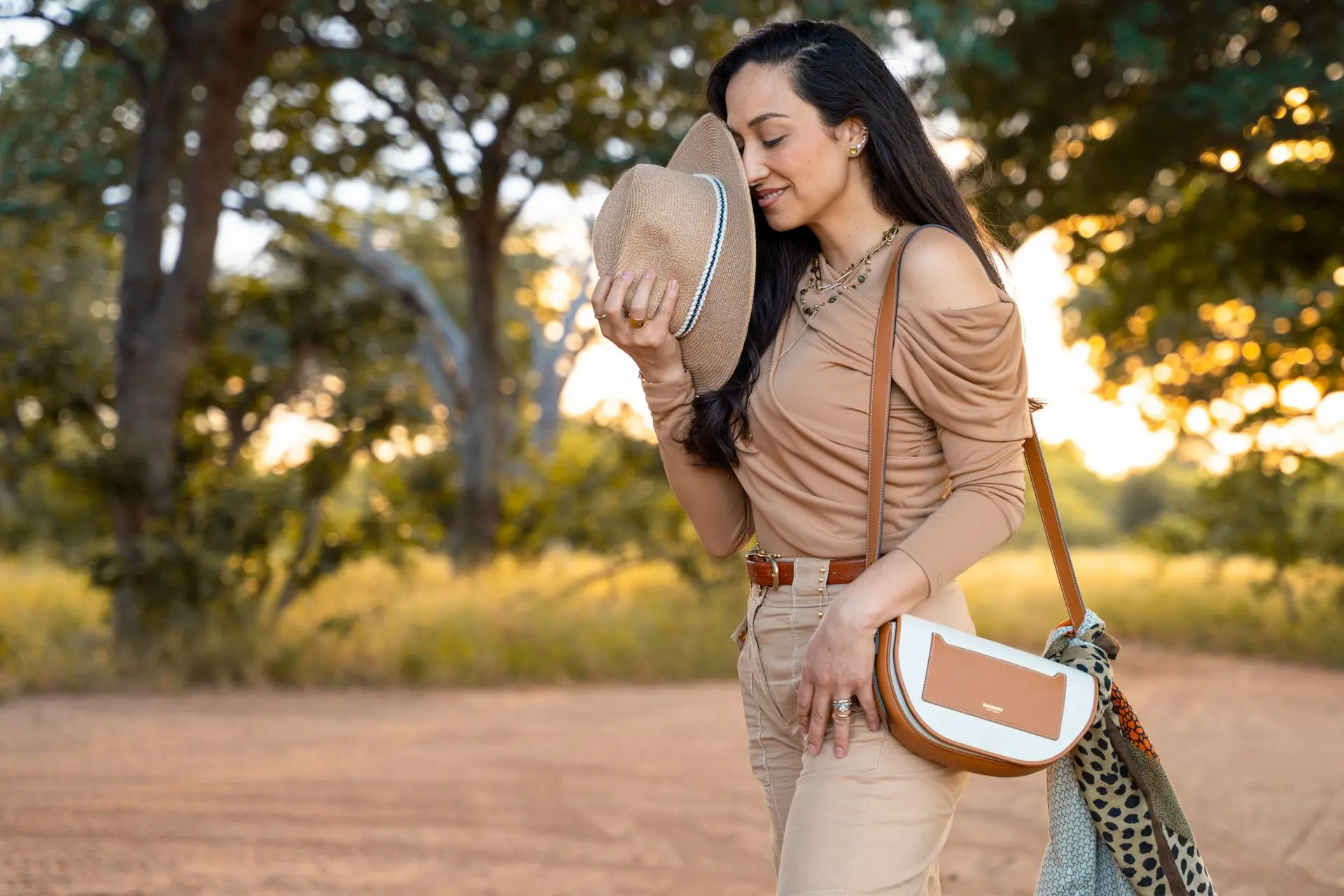
Constance Polamalu, COO of Zachary’s Jewelers and designer behind Birthright Foundry, a fine jewelry brand inspired by her American Samoan heritage, was named a 2021 Emerging Diamond Designer by the Natural Diamond Council and Lorraine Schwartz. She serves on the boards of the Anne Arundel Chamber of Commerce, Diamonds Do Good, Jewelers of America, and Luxury, and was recognized among Jewelers of America’s 20 Under 40 in 2022.
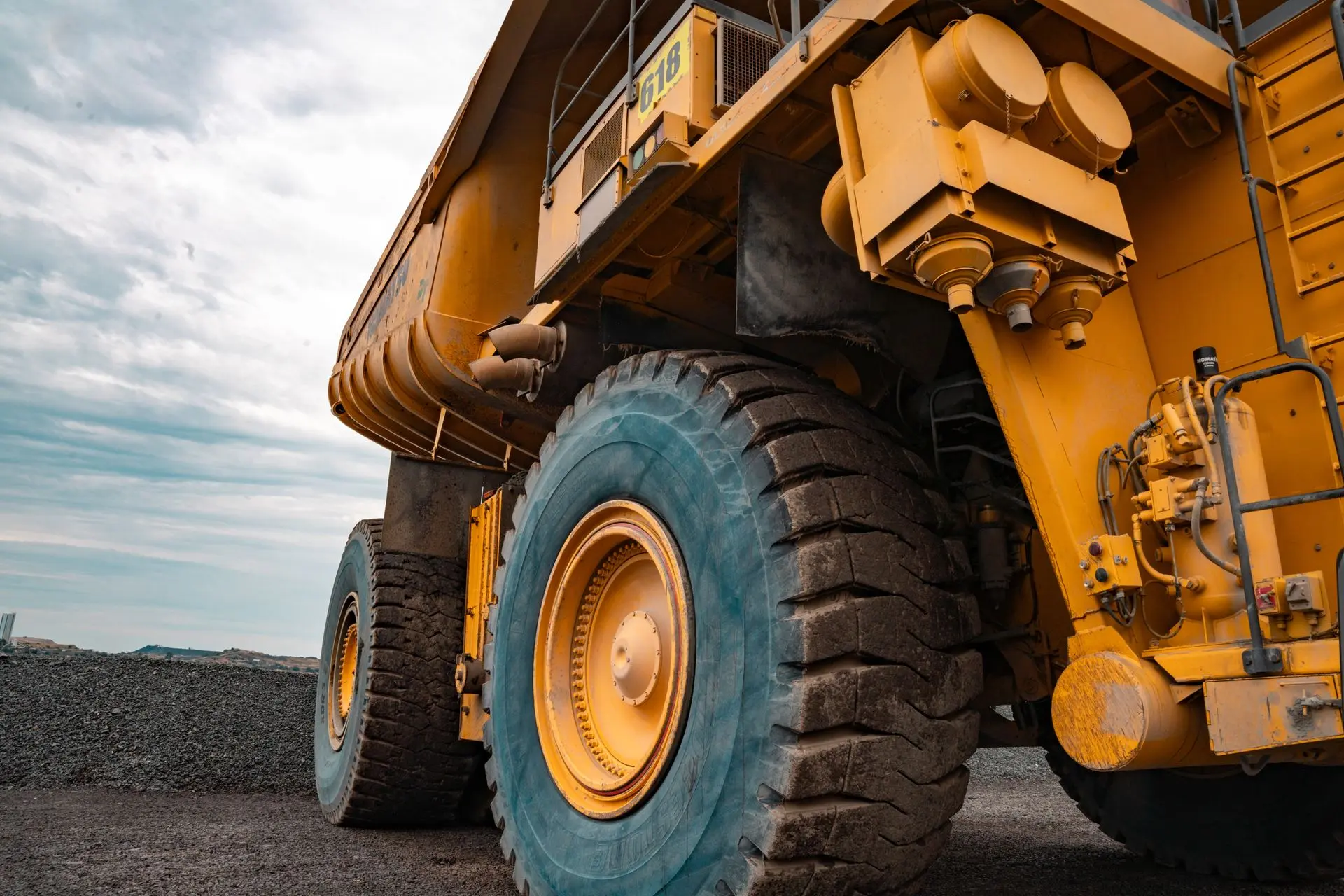
Two to three billion years ago, diamonds were born in heat and pressure so intense it’s hard to imagine. And yet there I was, standing at the edge of a pit so big it swallows the horizon: The King of Mines, as they call it.
It isn’t mining in Botswana, it is “liberating” diamonds as my new friends teach me. The operation is cautiously methodical, pulling back layers upon layers of rock to reveal flashes of something eternal. Something, we will use back home to mark the most important occasions of our lives, a diamond. Once pried loose from the kimberlite pipes, the stones are herded into sorting facilities. Size. Shape. Color. Piles upon piles. It’s clinical, methodical, the opposite of romance... Until you see the cutters arrive for sight week. These men and women come from across the world, eyeglasses perched, leaning over tables of rough as though peering into the future. They poke, prod, whisper. It feels a little like a poker game, a little like a pilgrimage.
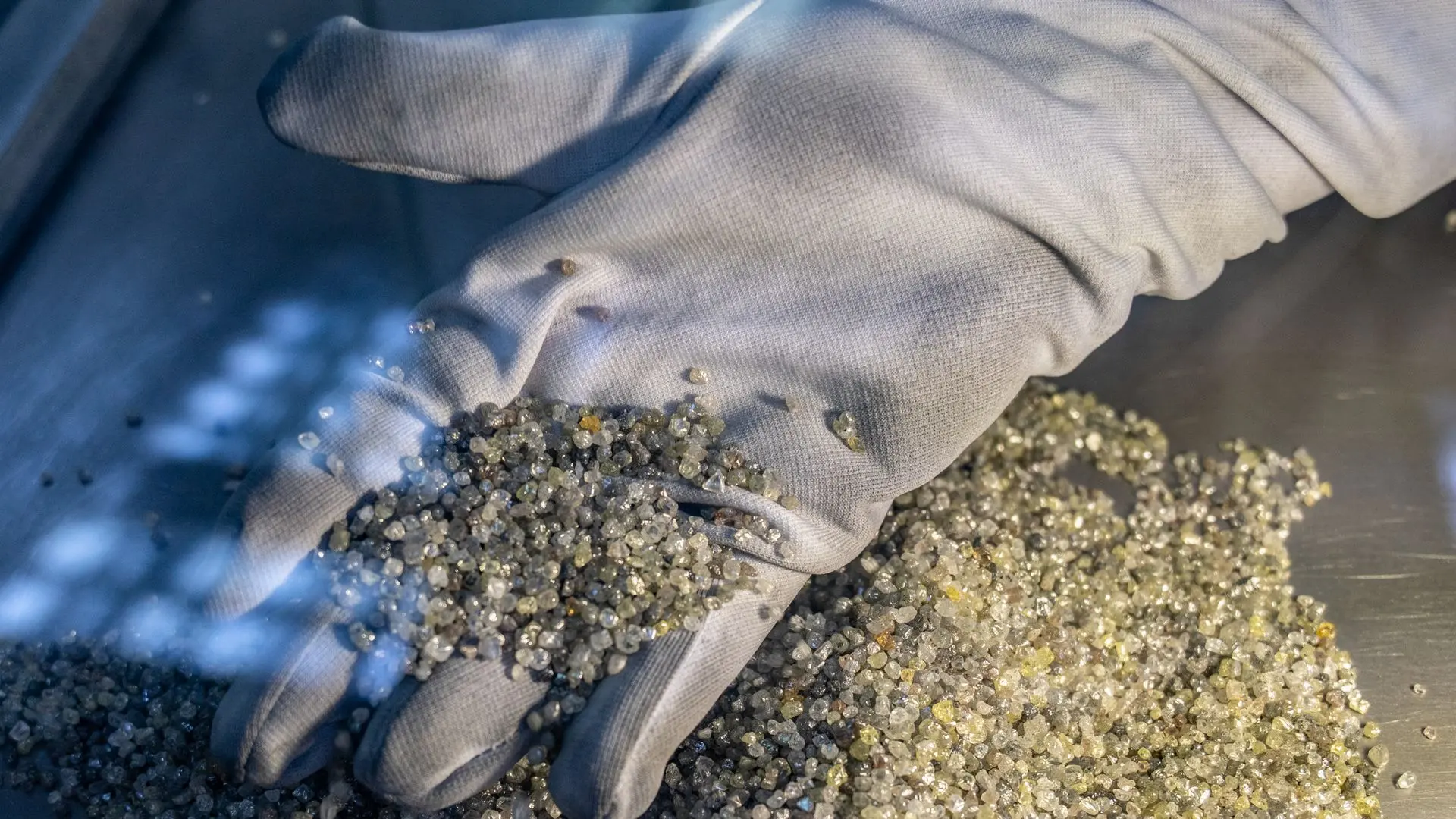
The real magic, though, is in the planning rooms. Technology maps outeach stone, plotting where light will bend and scatter. Imagine designing a city where every building reflects thesun just so, except it’s all inside a crystal smaller than your fingernail. Thenthe rough goes to the cutters, recordplayer-like wheels spinning with a slurry of diamond dust and grease. Only adiamond can cut another diamond. It’s precise. It’s obsessive. It’s art. And in Botswana, it’s also humane. These facilities could have been gray, industrial boxes. Instead, they have gardens where employees pick fresh produce for lunch. They have daycare on site, so mothers can see their babies between polishing runs. Workers told me how much that half hour at lunch means to them. I believed them. I’ve had days where an extra thirty minutes with my boys feels like stolen treasure.
Diamonds here don’t just sparkle; they build roads, fund schools, and put food on tables. Mining is more than a job, it’s a badge of honor. I met miners who talked about the company soccer team like it was the World Cup. Beyond the mines, there’s Diamonds Do Good, a grant program that invests in entrepreneurs in diamond-producing regions. That’s where I met Tshireletso. A farmer with a degree in supply chain economics; she started with herbs because her parents couldn’t stomach the local spices anymore. Mediterranean herbs, grown in a windowsill and then a backyard plot. It grew. Markets demanded more. She needed land. A grant from Diamonds Do Good gave her the boost. Soon, she was growing tomatoes and cabbages, then building greenhouses to flip the calendar and farm when no one else could. Smart. Scrappy. Pure hustle.


I sat in on the Diamonds Do Good Shark Tank-style competition this year. Entrepreneurs pitching ideas, asking for just enough to turn vision into reality. No handouts. No pity. Just grit and opportunity colliding. And when we chose the winners, it wasn’t about who needed help the most. It was about who would do the most with it. Because that’s what diamonds are, really. Pressure. Heat. Time. And the chance to shine when given the cut.
Shop Zachary's Magazine 2025
Zachary's Magazine 2025
Shop the collection!